Electrical systems are the backbone of modern living, quietly powering everything from kitchen appliances and lighting to home offices and entertainment systems. When something goes wrong, however, it can disrupt daily routines and even pose serious safety risks. Understanding how to identify and fix common electrical problems in your home is essential for maintaining a safe, efficient, and reliable living environment. While some minor issues can be addressed with basic troubleshooting, others require professional Nash Electric LLC attention to prevent hazards such as electrical fires or shock risks.
Home electrical problems often begin subtly. Flickering lights, warm outlets, tripped circuit breakers, or unusual buzzing sounds may seem minor at first, but they can signal deeper issues within the electrical system. Recognizing these warning signs early can prevent costly damage and ensure that your home’s wiring remains safe and functional. A proactive approach to electrical maintenance not only extends the lifespan of your system but also protects your appliances and electronics from unexpected failure.
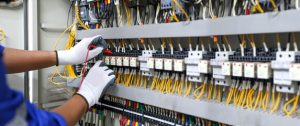
One of the most common electrical problems homeowners encounter is frequent circuit breaker trips. Circuit breakers are designed to protect your home by shutting off power when a circuit becomes overloaded or detects a fault. If a breaker trips occasionally after plugging in multiple high-demand appliances, the cause may simply be an overloaded circuit. However, if the breaker trips repeatedly without an obvious overload, it could indicate a wiring issue, a short circuit, or a ground fault.
To address frequent breaker trips, start by identifying what devices are connected to the affected circuit. Unplug non-essential items and reset the breaker. If the issue resolves, consider redistributing appliances across different circuits to balance the load. If the breaker continues to trip even with minimal load, it is advisable to consult a licensed electrician to inspect the wiring and panel.
Flickering or dimming lights are another widespread concern. In many cases, flickering lights result from loose bulbs or minor voltage fluctuations. Tightening the bulb or replacing it may solve the issue. However, persistent flickering across multiple fixtures may signal loose wiring connections or an overloaded circuit. Dimming lights when large appliances start up can indicate insufficient circuit capacity. Addressing this may require installing dedicated circuits or upgrading the electrical panel.
Dead outlets are also common in residential properties. When an outlet stops working, the first step is to check whether it is connected to a tripped circuit breaker or a ground fault circuit interrupter (GFCI). Resetting the breaker or pressing the reset button on the GFCI outlet may restore power. If the outlet remains inactive, internal wiring issues or damaged receptacles may be the cause. Replacing a faulty outlet can be straightforward for experienced individuals, but improper installation can create safety hazards. Professional assistance is recommended when uncertainty exists.
Another common electrical issue is warm or discolored outlets and switches. Outlets should never feel hot to the touch. Heat buildup often indicates loose wiring connections or excessive electrical load. Ignoring this warning sign can increase the risk of fire. If you notice discoloration, burning smells, or heat around outlets, turn off the power to that circuit immediately and seek professional evaluation.
There are several common warning signs that indicate electrical problems in your home:
- Frequent breaker trips or blown fuses
- Flickering or dimming lights
- Buzzing sounds from outlets or switches
- Burning odors near electrical panels
- Warm or discolored outlets
Recognizing these symptoms early allows for prompt corrective action and reduces the likelihood of severe damage.
Overloaded circuits are a frequent issue in homes with increasing electrical demands. Modern households rely on numerous electronic devices, and older electrical systems may not be equipped to handle this load. Using extension cords or power strips as permanent solutions can exacerbate the problem. Installing additional circuits or upgrading the electrical panel provides a safer, long-term solution. An electrical panel upgrade increases capacity and ensures that circuits are properly distributed.
Loose wiring connections are another common source of electrical trouble. Over time, vibration and thermal expansion can cause connections to loosen. This may result in flickering lights, intermittent power, or sparking. Loose wiring can also create dangerous arcing conditions that increase fire risk. Professional electricians use specialized tools to identify and secure faulty connections, restoring system stability.
Electrical surges can damage appliances and sensitive electronics. Surges may originate from internal load changes, such as large appliances cycling on and off, or from external power fluctuations. Installing whole-house surge protection helps safeguard devices from voltage spikes. Additionally, unplugging electronics during severe weather reduces the risk of surge-related damage.
Light switches that fail to operate properly can indicate worn-out components or wiring issues. If a switch feels loose, produces a crackling sound, or fails to control the fixture consistently, replacement may be necessary. Always turn off power at the breaker panel before attempting any switch replacement. For more complex wiring configurations, professional installation ensures safety and compliance with electrical standards.
High electricity bills can also signal hidden electrical problems. Inefficient wiring, outdated fixtures, and aging appliances may consume more energy than necessary. Upgrading to energy-efficient lighting and appliances reduces strain on the electrical system and lowers monthly costs. An energy audit can help identify areas where improvements are needed.
Electrical panel issues should never be ignored. Panels that produce buzzing sounds, exhibit rust, or feel warm require immediate inspection. Breakers that fail to stay in the “on” position may be worn or defective. Because the panel is the central distribution point for your home’s electricity, maintaining its integrity is critical for overall safety.
There are several proactive steps homeowners can take to prevent common electrical problems:
- Schedule periodic electrical inspections
- Avoid overloading outlets and power strips
- Replace damaged cords and plugs promptly
- Upgrade outdated panels and wiring systems
Preventive maintenance minimizes the likelihood of unexpected failures and enhances overall system reliability.
Older homes often face unique electrical challenges. Outdated wiring materials may not meet current safety standards, and insufficient grounding can increase shock risk. Renovations or expansions provide an opportunity to modernize electrical systems and improve safety. Upgrading wiring during remodeling ensures compatibility with contemporary power demands.
Safety should always remain the top priority when addressing electrical problems. Even seemingly minor issues can escalate quickly if handled improperly. While some tasks, such as replacing a light bulb or resetting a breaker, are manageable for homeowners, more complex repairs require professional expertise. Attempting advanced electrical work without proper training can result in serious injury or property damage.
Understanding how to identify and fix common electrical problems in your home empowers you to respond effectively when issues arise. By paying attention to warning signs, maintaining balanced circuit loads, and investing in timely upgrades, you create a safer and more efficient living environment.
Electrical systems are designed to operate quietly and reliably, but they require attention and maintenance to perform optimally. Addressing small problems promptly prevents larger complications and extends the lifespan of your home’s infrastructure. Whether through routine inspections, energy-efficient upgrades, or professional repairs, proactive electrical care ensures that your home remains powered safely and efficiently for years to come.