Severe storms and flooding can strike unexpectedly, leaving behind devastating damage to homes, commercial buildings, and personal property. High winds, heavy rain, and rising waters can compromise structural integrity, destroy possessions, and create a hazardous environment. The aftermath of a storm or flood often brings stress, uncertainty, and urgency. How property owners respond in the immediate hours and days following such events can dramatically influence the extent of damage, the speed of recovery, and long-term safety. Understanding the steps involved in storm and flood recovery is critical to Restore Draper quickly and minimizing both financial loss and health risks.
The first priority after a storm or flood is ensuring safety. Electrical hazards, structural instability, and contaminated water are common dangers in the aftermath of flooding. Before entering any affected area, property owners should evaluate the site carefully and take necessary precautions. If water levels remain high or if there are downed power lines, it may be unsafe to enter the building. In cases where electricity is still active, turning off the main power supply is essential to prevent electrocution. Additionally, wearing protective gear such as waterproof boots, gloves, and respirators is critical when dealing with floodwaters, especially when they may contain contaminants from sewage, chemicals, or debris. Safety should always take precedence over salvage efforts.
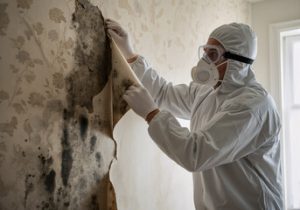
Once the property is deemed safe, the next step is to assess the extent of damage. Conducting a thorough evaluation helps property owners prioritize restoration efforts and communicate accurately with insurance providers. Key areas to inspect include walls, flooring, ceilings, HVAC systems, electrical outlets, plumbing, and structural components. Identifying visible water damage, such as warped floors, saturated drywall, or peeling paint, is straightforward, but hidden damage, such as moisture trapped behind walls or under flooring, may require professional tools like moisture meters and infrared cameras to detect. A comprehensive assessment forms the foundation for an organized, effective recovery plan.
After assessing the damage, the immediate focus should be on water removal. Floodwaters can saturate flooring, carpeting, furniture, and personal belongings quickly, accelerating structural deterioration and increasing the risk of microbial growth. Using pumps, wet vacuums, or professional extraction equipment helps remove large volumes of water efficiently. Even a few hours of delay can lead to swelling, warping, and long-term damage to wood, drywall, and other porous materials. For smaller or isolated water intrusions, homeowners may attempt to remove water manually, but extensive flooding typically requires professional-grade equipment and expertise to achieve complete water extraction.
Rapid water removal is closely followed by structural drying. Water can penetrate deep into subfloors, wall cavities, and insulation, creating hidden reservoirs of moisture. Industrial-grade dehumidifiers and air movers are essential for accelerating drying and preventing secondary damage. The goal is to lower moisture levels to acceptable standards before mold and mildew can begin to grow. Proper drying techniques also protect building materials from long-term weakening, reducing the need for costly reconstruction or replacement. Time is of the essence; the longer moisture remains, the more severe the structural and microbial damage becomes.
Sanitation is another critical component of storm and flood recovery. Floodwaters often contain contaminants, including sewage, chemicals, or debris, that pose serious health risks. Thorough cleaning and disinfection of affected surfaces, personal items, and structural components help prevent the spread of bacteria, viruses, and mold spores. High-traffic areas, kitchens, bathrooms, and HVAC systems require particular attention, as contaminants in these spaces can spread quickly. Using specialized antimicrobial solutions and adhering to professional sanitation protocols ensures that contaminated areas are properly treated and safe for occupancy.
An often-overlooked aspect of recovery is the removal of damaged materials that cannot be salvaged. Carpeting, padding, insulation, drywall, and furniture that have been heavily saturated may retain moisture and harbor contaminants even after extraction and drying. Removing these items promptly reduces the risk of mold growth, eliminates persistent odors, and creates a safer environment for restoration efforts. Salvage decisions should be guided by the extent of contamination, the material’s porosity, and the feasibility of proper drying and disinfection. Attempting to retain items that are beyond repair can prolong recovery and introduce long-term hazards.
Documentation of storm and flood damage is crucial for insurance purposes and for coordinating restoration efforts. Property owners should take photographs and detailed notes of all affected areas, including structural damage, damaged personal property, and affected systems like HVAC or plumbing. Insurance providers often require prompt reporting and accurate documentation to process claims efficiently. Additionally, keeping records of cleanup and restoration efforts ensures transparency and helps professionals track progress during the recovery process.
Structural repairs are the next major step after water removal, drying, and sanitation. Depending on the severity of the damage, this may include replacing drywall, repairing or replacing flooring, fixing roofing or siding, and addressing electrical or plumbing issues. Engaging qualified professionals ensures that repairs are performed safely and according to building codes. Timely restoration helps prevent secondary problems, such as mold colonization, warping, or structural instability, and ensures that the property can be safely reoccupied.
Odor control is another important element in post-storm and flood recovery. Lingering odors from floodwater, mold, and damp materials can persist even after visible damage is addressed. Advanced deodorization techniques, such as ozone treatments or thermal fogging, neutralize odor molecules at the source rather than masking them temporarily. Eliminating unpleasant smells improves indoor air quality, comfort, and the overall perception of a clean and restored property.
Storm and flood recovery also involves careful attention to HVAC systems. Floodwaters or construction debris can infiltrate ductwork, compromising air quality and spreading contaminants throughout the property. Post-flood air duct cleaning removes dust, microbial contaminants, and chemical residues, ensuring that the air circulating through the building is clean and safe. Ignoring HVAC cleaning can result in lingering odors, increased allergens, and ongoing respiratory issues for occupants.
Property owners should implement preventative measures during and after recovery to reduce future vulnerability. Proper grading and drainage around the property, the installation of sump pumps or backflow prevention systems, and routine inspection of plumbing and roofing systems help mitigate the impact of future storms. Additionally, monitoring humidity levels indoors and maintaining a regular cleaning schedule for air ducts and HVAC systems contribute to long-term protection of both the property and occupant health.
Several enumerated steps outline an effective storm and flood recovery process:
- Ensure Safety – Evaluate hazards, shut off electricity, and wear protective gear before entering affected areas.
- Assess Damage – Inspect structural elements, flooring, walls, HVAC systems, and personal belongings to identify visible and hidden damage.
- Water Removal – Extract standing water using pumps, wet vacuums, or professional extraction equipment.
- Structural Drying – Employ industrial air movers and dehumidifiers to remove residual moisture from walls, flooring, and insulation.
- Sanitation and Disinfection – Apply antimicrobial solutions to contaminated surfaces to prevent microbial growth and health risks.
- Removal of Damaged Materials – Dispose of unsalvageable carpets, insulation, furniture, and drywall to reduce the risk of mold and odors.
- Documentation – Photograph and record all damage for insurance and restoration tracking purposes.
- Structural Repairs – Replace or repair damaged materials, electrical systems, and plumbing.
- HVAC Cleaning – Remove contaminants from ductwork and ensure the system circulates clean air.
- Odor Control – Apply advanced deodorization methods to eliminate persistent smells.
- Preventative Measures – Implement grading, drainage, backflow prevention, and maintenance to reduce future risk.
Understanding and following these steps ensures that storm and flood recovery is both comprehensive and efficient, protecting property value and occupant health.
The consequences of delayed action after storm or flood damage can be severe. Prolonged moisture exposure accelerates the deterioration of wood, drywall, and structural materials. Mold and mildew can establish colonies within 24 to 48 hours, creating health hazards and increasing restoration costs. Electrical systems may become compromised, and lingering odors or contaminants may persist long after the visible damage is addressed. Prompt and organized recovery prevents minor problems from escalating into major financial and safety concerns.
In addition to structural and health considerations, storm and flood recovery has a psychological impact. The aftermath of a natural disaster is often stressful and overwhelming, with property owners facing financial loss, displacement, and emotional strain. An organized and professional recovery process reduces stress, restores a sense of control, and provides assurance that the property will be safe and functional once again. The confidence gained through effective restoration contributes to overall well-being during a challenging time.
Financial considerations also emphasize the importance of swift recovery. The longer water and debris remain in the property, the greater the risk of secondary damage, which often results in higher restoration costs. Engaging professional water damage and restoration experts early ensures that resources are used efficiently, minimizes repair needs, and supports quicker insurance claim resolution. Time is truly money in storm and flood recovery, as delayed interventions often translate into both structural and financial setbacks.
Finally, maintaining a proactive mindset after recovery is essential. Regular inspections, proper ventilation, and ongoing maintenance of HVAC and plumbing systems help prevent future issues. Incorporating storm preparedness measures, such as emergency kits, elevated storage for valuables, and awareness of weather risks, further enhances resilience. Recovery does not end when visible water is removed; it includes a commitment to long-term property safety, efficiency, and health.
In conclusion, storm and flood recovery is a multi-step process that requires careful planning, prompt action, and professional intervention. Immediate priorities include safety, damage assessment, water removal, structural drying, and sanitation. Removal of damaged materials, structural repairs, HVAC cleaning, and odor control follow as essential components of a comprehensive restoration. Implementing preventative measures reduces vulnerability to future events. Property owners who act quickly and systematically after a storm or flood can protect their investments, minimize health risks, and restore their property efficiently. By understanding these steps and prioritizing both immediate and long-term restoration efforts, homeowners and facility managers can navigate the challenges of storm and flood damage with confidence, ensuring that their property returns to a safe, functional, and comfortable state as quickly as possible.